
How to Identify Basalt: What to Look For and Home Tests
Quick answer
Basalt (extrusive igneous rock): what to look for, 2 home tests, quoted from geology department and survey sources.
Updated 2026-09-10 · Sources: USGS, National Park Service
Found one? Take a photo to identify it.
Download on the App StoreWhat are the key facts?
- Type: Rock (extrusive igneous)
- Color: Dark-colored, gray to black.
What Basalt looks like
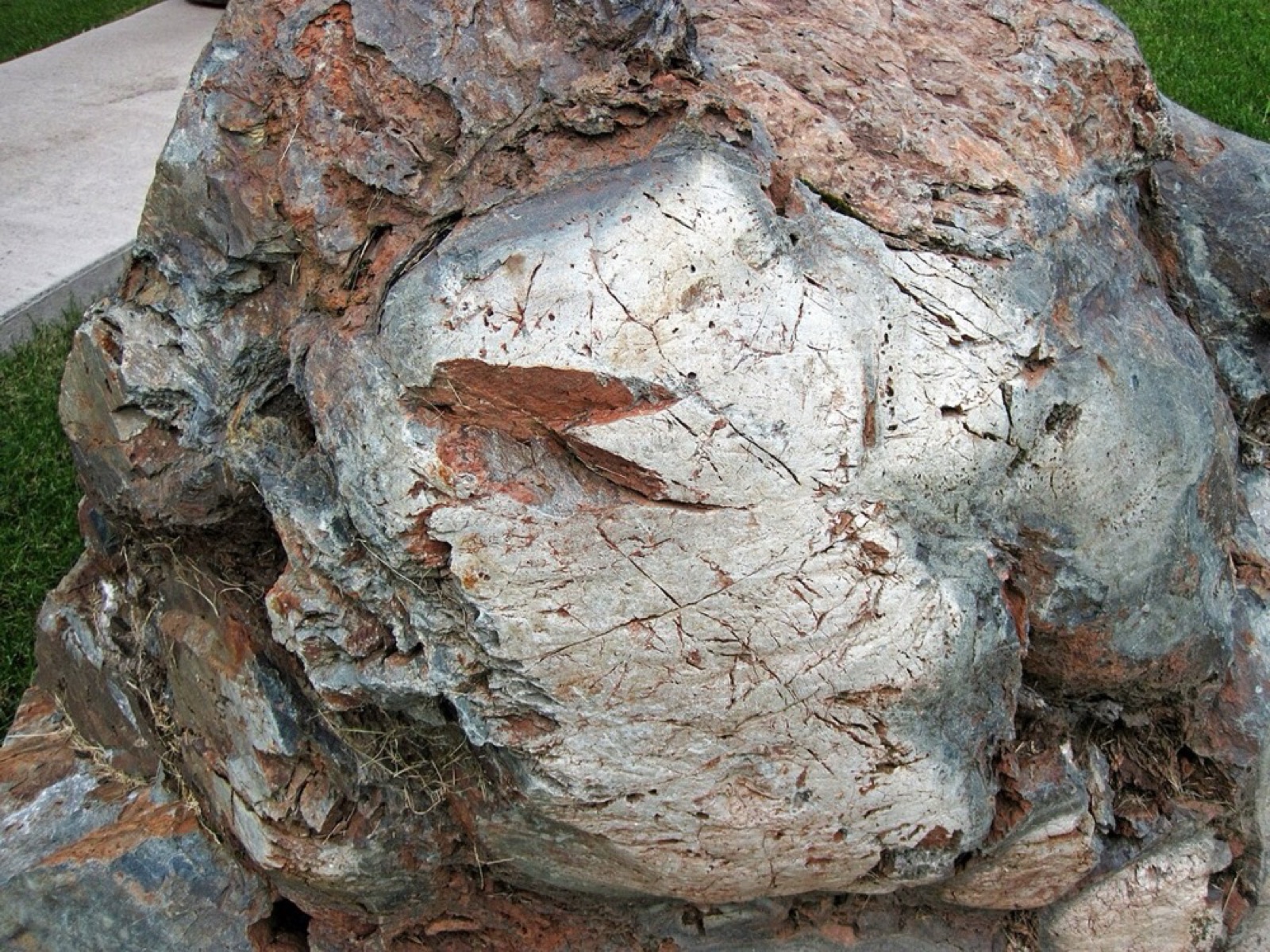
Lava that cooled at the surface had no time to grow large crystals, so the rock is fine-grained or glassy, often with gas bubbles or a frothy top surface. The properties that identify Basalt — color: Dark-colored, gray to black. For a rock, texture and grain size matter more than any single hardness number.
Tests you can do at home
- Composition test: contains 45–53% silica and is rich in iron and magnesium.
- Surface-texture test: basaltic lava flows commonly show smooth, ropy/billowy surfaces (pāhoehoe) or rough, sharp, clinkery surfaces (ʻaʻā). Safety: Solidified ʻaʻā lava has surfaces as sharp as knife blades. Wear thick-soled shoes and gloves when handling it in the field.
How to photograph it for identification
Photograph a fresh, unweathered surface in daylight, then a second shot of any crystal faces or broken edge. Include a coin for scale. If you did a streak test, photograph the streak next to the specimen. The app suggests the likely mineral or rock; confirm with hardness and the tests above before you label it.
Notes on this entry
Basalt is a rock and has no single Mohs hardness or specific gravity value. Its low silica content gives basaltic lava low viscosity and high fluidity (source: NPS, 'The low silica concentrations in these lavas mean that they are highly fluid').
FAQ
What is the simplest test for Basalt?
Composition test: contains 45–53% silica and is rich in iron and magnesium.
More in Rock and Mineral Identification Reference
- How to Identify Obsidian: What to Look For and Home Tests
- How to Identify Chert / Flint: What to Look For and Home Tests
- How to Identify Agate: What to Look For and Home Tests
- How to Identify Petrified Wood: What to Look For and Home Tests
- How to Identify Granite: What to Look For and Home Tests
- How to Identify Sandstone: What to Look For and Home Tests
- How to Identify Limestone: What to Look For and Home Tests
- How to Identify Shale: What to Look For and Home Tests
- How to Identify Slate: What to Look For and Home Tests
- How to Identify Marble: What to Look For and Home Tests
- How to Identify Quartzite: What to Look For and Home Tests
Related
See what's actually under your feet.
Start with a single scan.
Found one? Take a photo to identify it.
Sources
- USGSwww.usgs.gov/glossary/volcano-hazards-program-glossary
- National Park Servicewww.nps.gov/subjects/volcanoes/basaltic-lava-flows.htm
Compiled by the RockLens editorial team
Every fact on this page is taken from the sources listed above; numbers and prices are copied from the source, and prices name the guide or auction and its date. Research and drafting were assisted by AI, and each claim was then checked against the cited sources. Checked 2026-09-10. We do not buy, sell or grade items; the app identifies what you photograph and points you to these references.