
How to Identify Limestone: What to Look For and Home Tests
Quick answer
Limestone (chemical/biogenic sedimentary rock): 1 home test, and how to tell it from Dolomite / Dolostone and Marble, quoted from geology department and survey sources.
Updated 2026-09-10 · Sources: Illinois State Geological Survey (via Project Gutenberg), dec.vermont.gov, coloradogeologicalsurvey.org
Found one? Take a photo to identify it.
Download on the App StoreWhat are the key facts?
- Type: Rock (chemical/biogenic sedimentary)
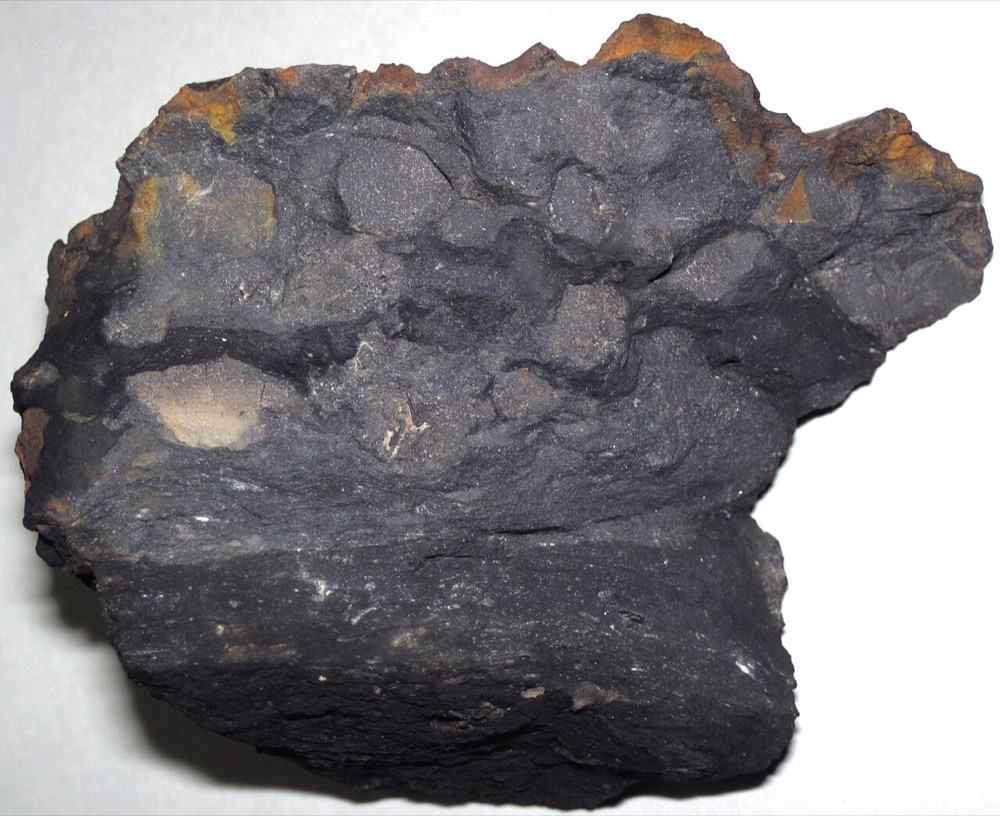
What Limestone looks like
Limestone and its relatives formed from shells or from minerals that came out of water, so they react to dilute acid and often contain fossil fragments. The sources we opened give only tests and comparisons for Limestone, not a full property list; see below.
Tests you can do at home
- Dilute HCl test: limestone (mostly calcite) fizzes immediately and vigorously in dilute hydrochloric acid; dolomite must be powdered before it will fizz. Safety: Dilute hydrochloric acid is corrosive. Wear eye protection and gloves, use only a few drops in a ventilated area, avoid skin and eye contact, rinse tools immediately afterward, and do not let minors handle it unsupervised.
Often confused with
- Dolomite / Dolostone: The acid reaction differs in strength: limestone fizzes immediately and vigorously in dilute HCl, while dolomite must be powdered before it fizzes.
- [Marble](/lookup/rocks-and-minerals/marble): Marble forms when limestone undergoes regional metamorphism and recrystallization. Its mineral composition is similar (mostly calcite), but it is denser, coarser-grained, harder, and more durable.
Where it is found in North America
Massive limestone formations near Leadville, Colorado.
How to photograph it for identification
Photograph a fresh, unweathered surface in daylight, then a second shot of any crystal faces or broken edge. Include a coin for scale. If you did a streak test, photograph the streak next to the specimen. The app suggests the likely mineral or rock; confirm with hardness and the tests above before you label it.
Notes on this entry
Limestone itself is made of calcite grains (Mohs hardness 3), but the overall hardness of the rock depends on how well cemented it is, so there is no single value and the field is left blank.
FAQ
How do I tell Limestone from Dolomite / Dolostone?
The acid reaction differs in strength: limestone fizzes immediately and vigorously in dilute HCl, while dolomite must be powdered before it fizzes.
What is the simplest test for Limestone?
Dilute HCl test: limestone (mostly calcite) fizzes immediately and vigorously in dilute hydrochloric acid; dolomite must be powdered before it will fizz.
More in Rock and Mineral Identification Reference
- How to Identify Obsidian: What to Look For and Home Tests
- How to Identify Chert / Flint: What to Look For and Home Tests
- How to Identify Agate: What to Look For and Home Tests
- How to Identify Petrified Wood: What to Look For and Home Tests
- How to Identify Granite: What to Look For and Home Tests
- How to Identify Basalt: What to Look For and Home Tests
- How to Identify Sandstone: What to Look For and Home Tests
- How to Identify Shale: What to Look For and Home Tests
- How to Identify Slate: What to Look For and Home Tests
- How to Identify Marble: What to Look For and Home Tests
- How to Identify Quartzite: What to Look For and Home Tests
Related
See what's actually under your feet.
Start with a single scan.
Found one? Take a photo to identify it.
Sources
- Illinois State Geological Survey (via Project Gutenberg)www.gutenberg.org/files/66308/66308-h/66308-h.htm
- dec.vermont.govdec.vermont.gov/geological-survey/vermont-geology/staterx
- coloradogeologicalsurvey.orgcoloradogeologicalsurvey.org/geology/colorado/sedimentary-rocks/
Compiled by the RockLens editorial team
Every fact on this page is taken from the sources listed above; numbers and prices are copied from the source, and prices name the guide or auction and its date. Research and drafting were assisted by AI, and each claim was then checked against the cited sources. Checked 2026-09-10. We do not buy, sell or grade items; the app identifies what you photograph and points you to these references.